NIGHT WITHOUT A NAME
In 1936, F. Scott Fitzgerald published his essay The Crack-Up, describing a state of internal disintegration, exhaustion, and lost stability. In one passage, he writes: "In a real dark night of the soul it is always three o'clock in the morning, day after day." Here, three o'clock in the morning is not merely a specific time, but a psychological state—a repeating moment from which there is no easy escape.
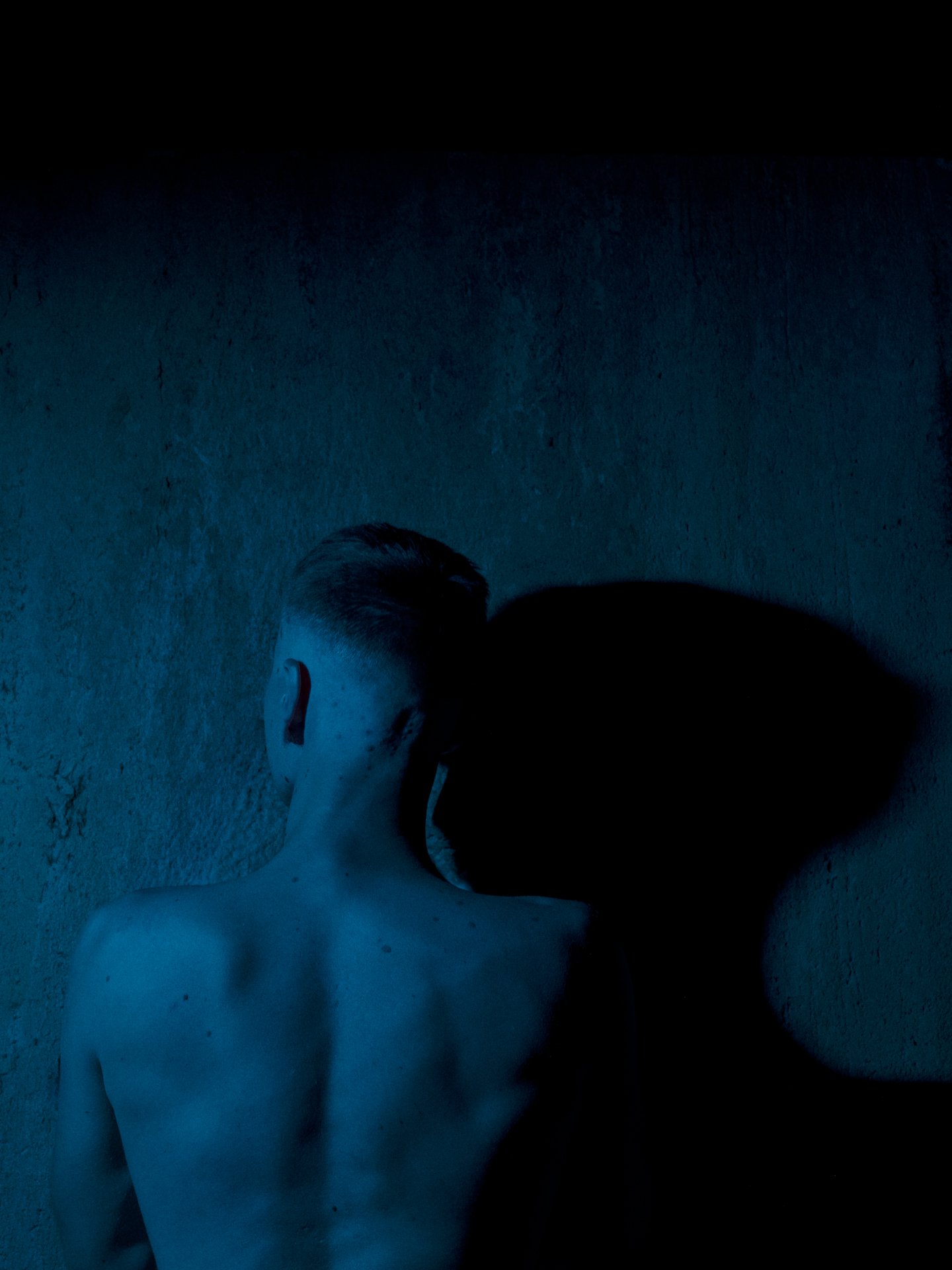
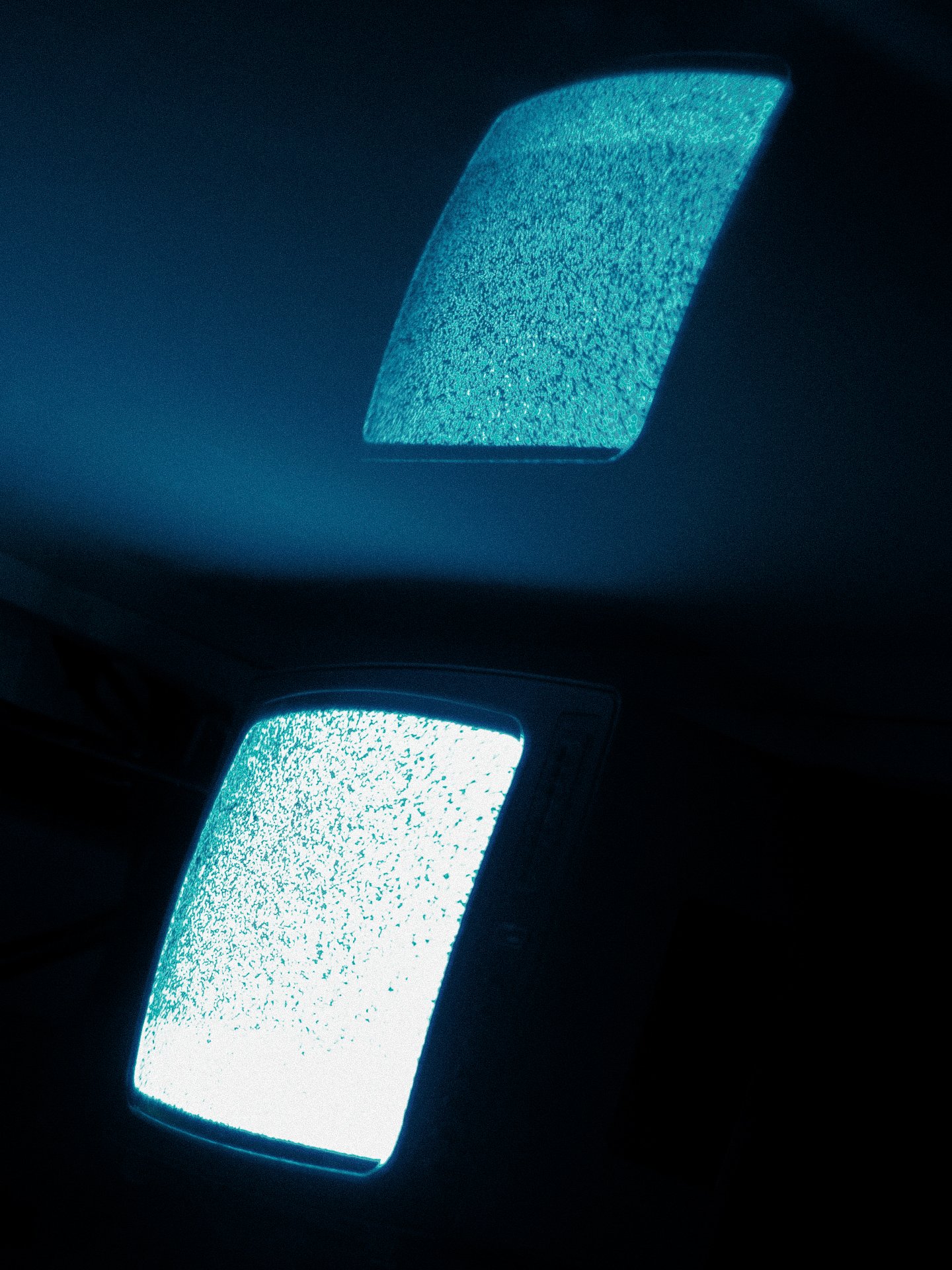
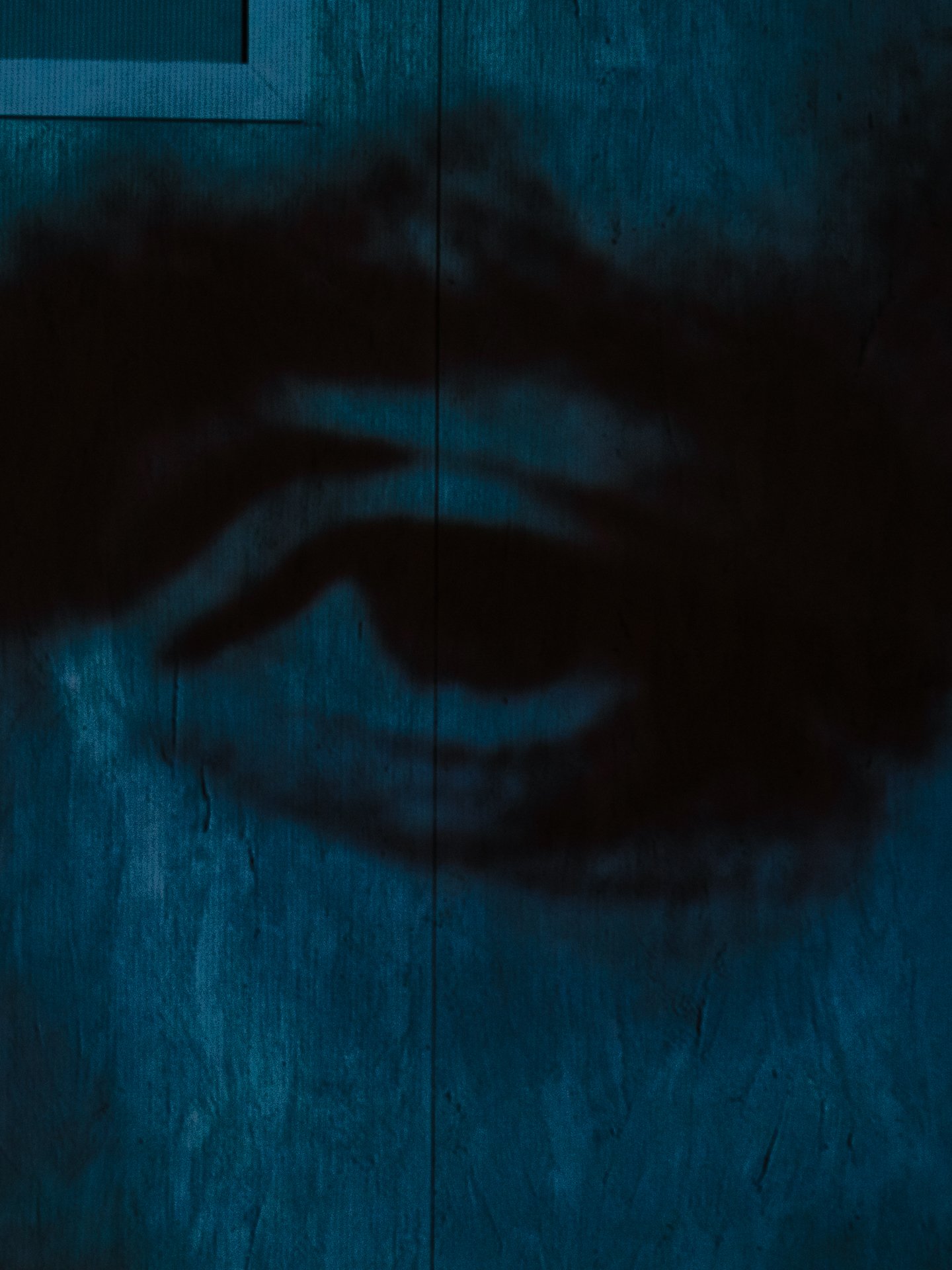
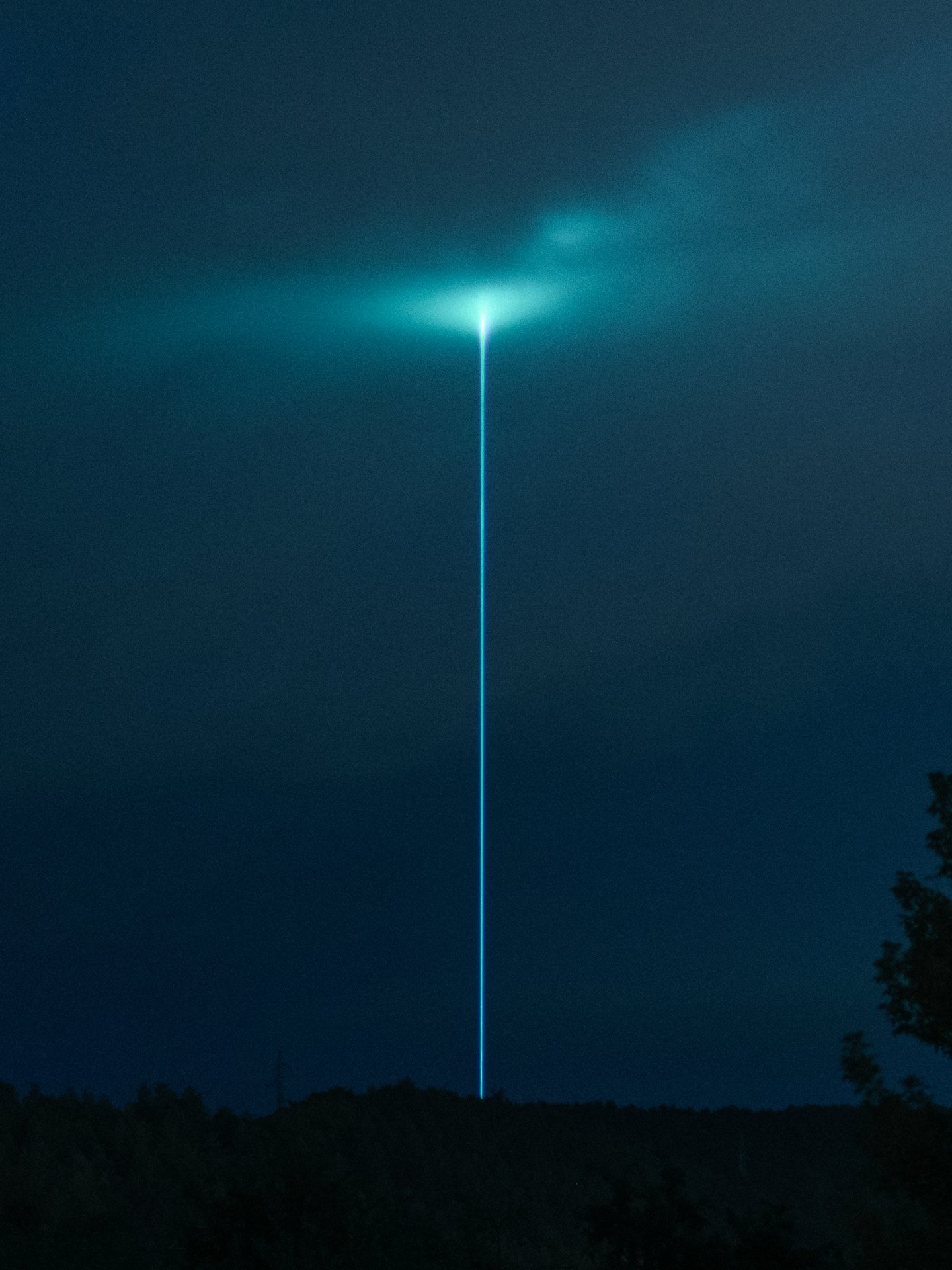
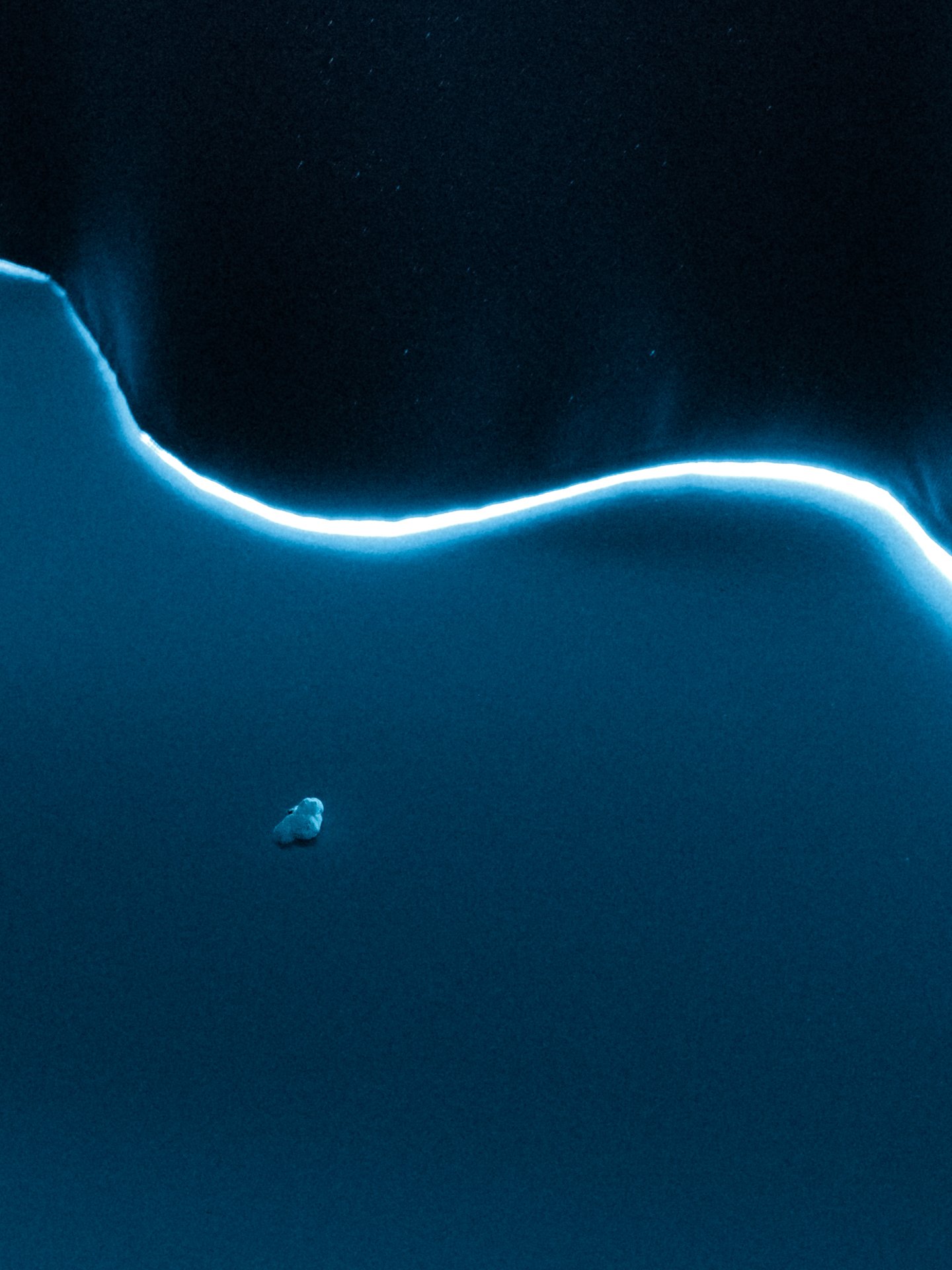
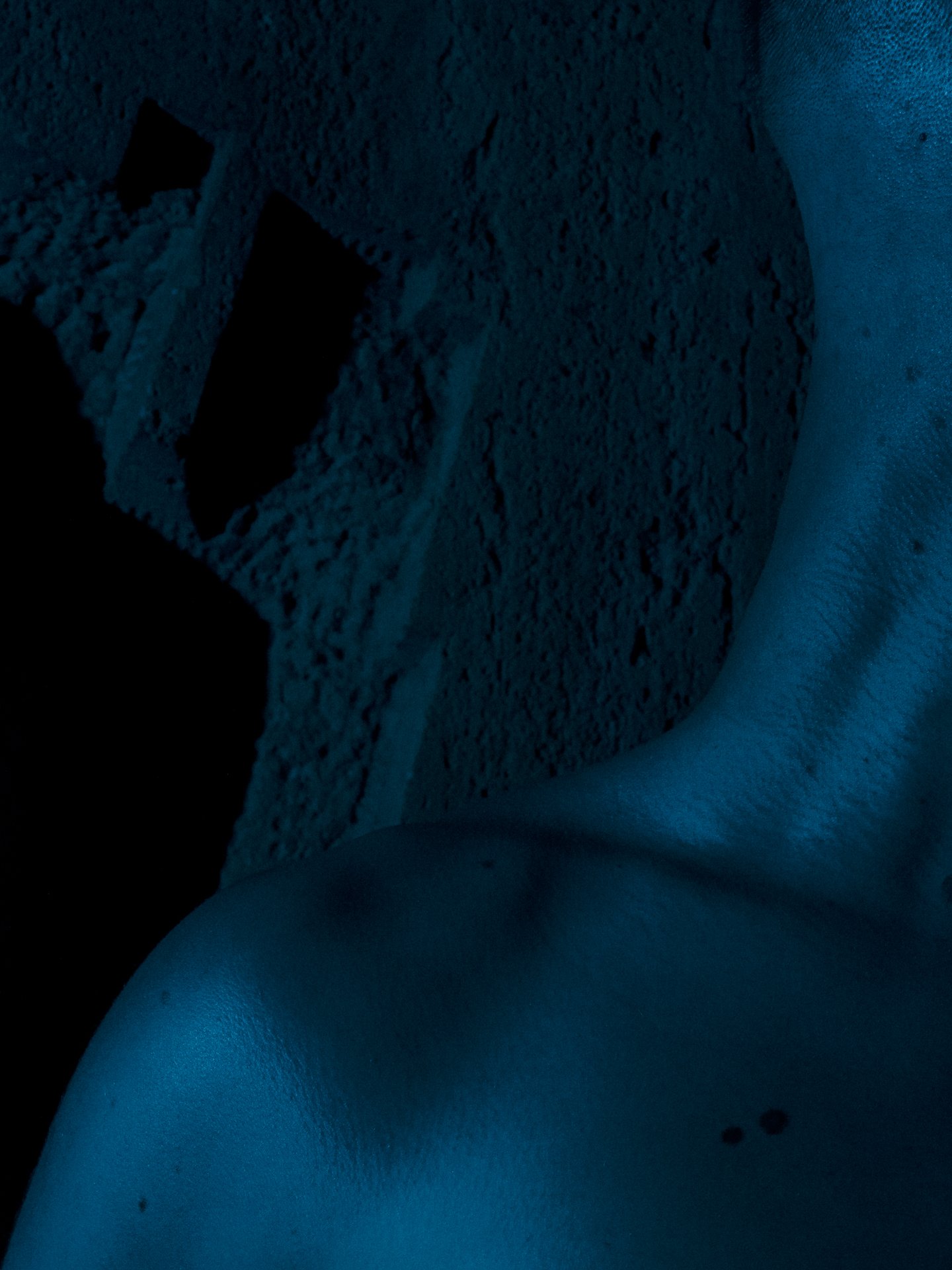
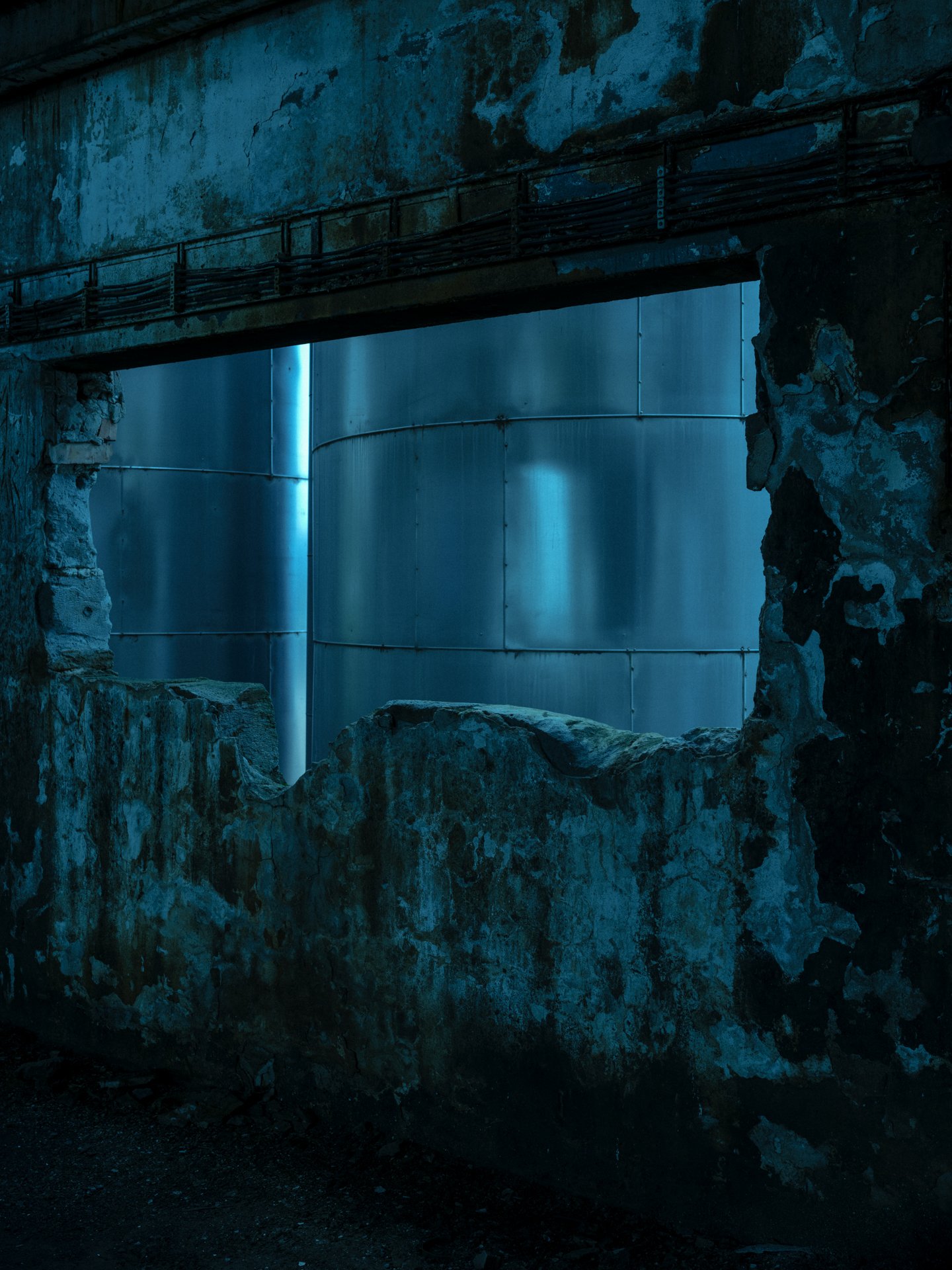
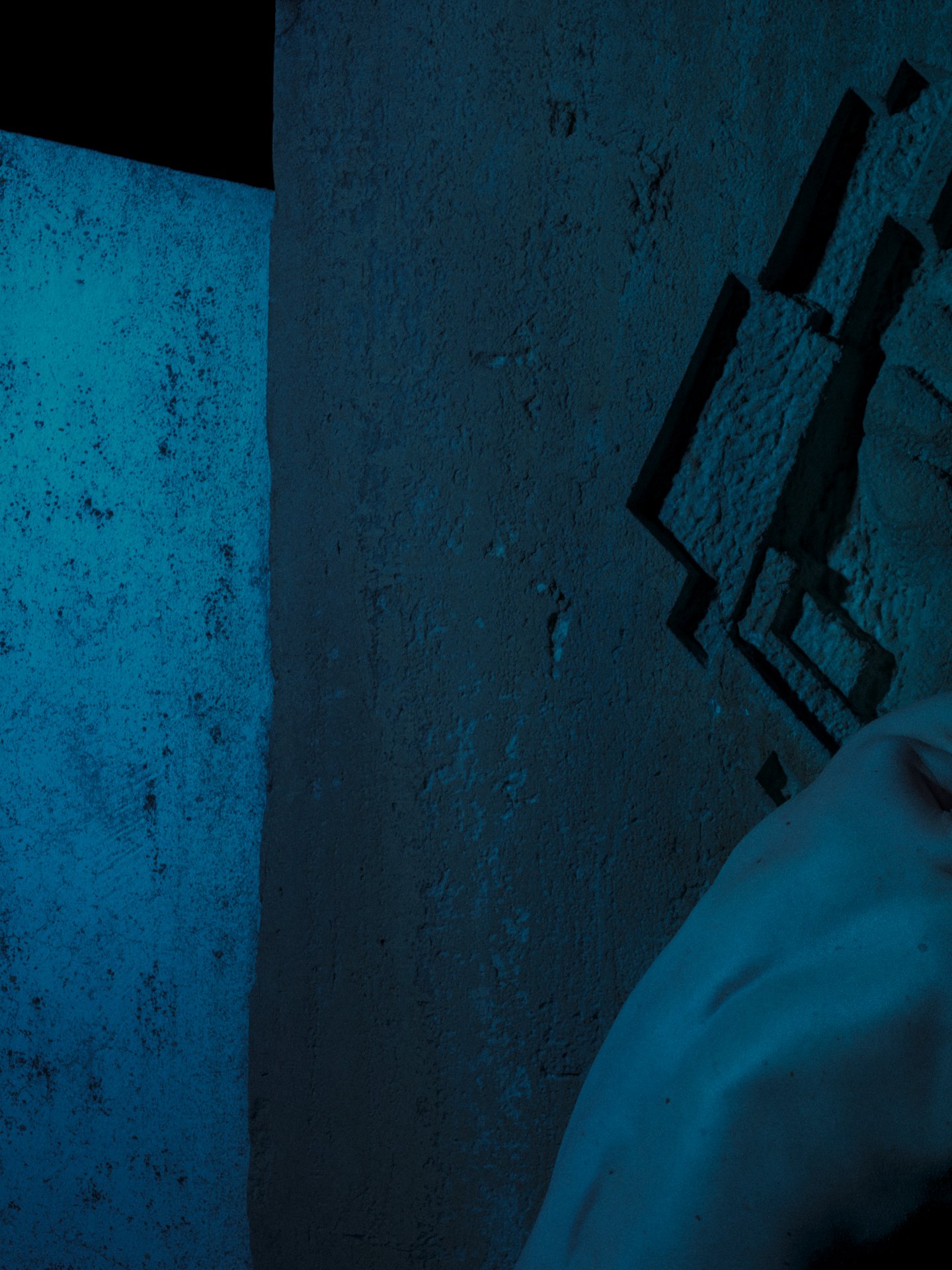
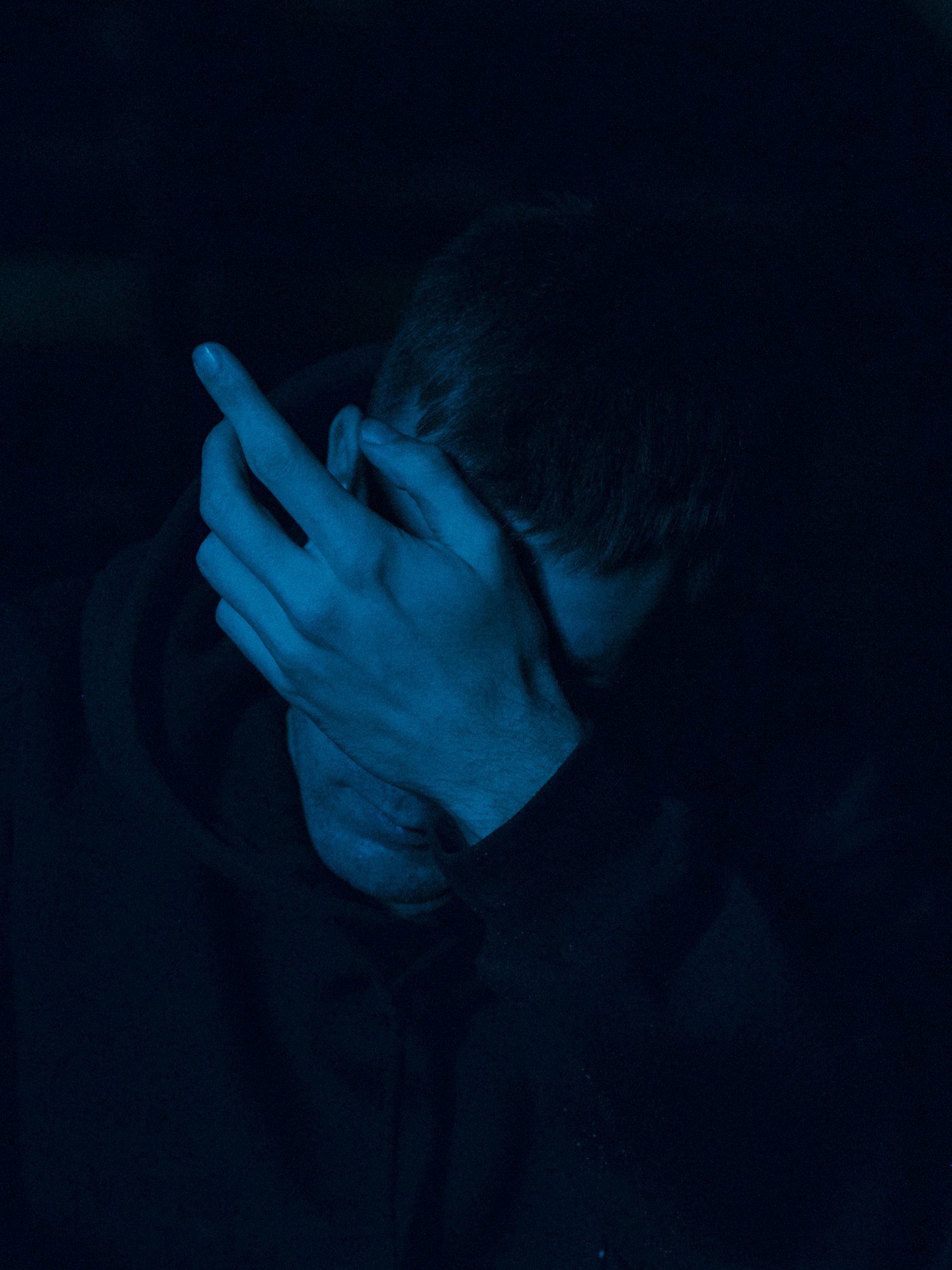
A Night Without a Name refers to the twilight, dusk, and darkness, while simultaneously naming an ambiguous in-between space where things cease to feel solid and self-evident. The color blue becomes a symbol of coldness, silence, and internal stillness. The imagery touches upon the moment when the inner world begins to unravel slowly and subtly—not as a dramatic event, but as a prolonged state of fatigue, tension, and alienation.
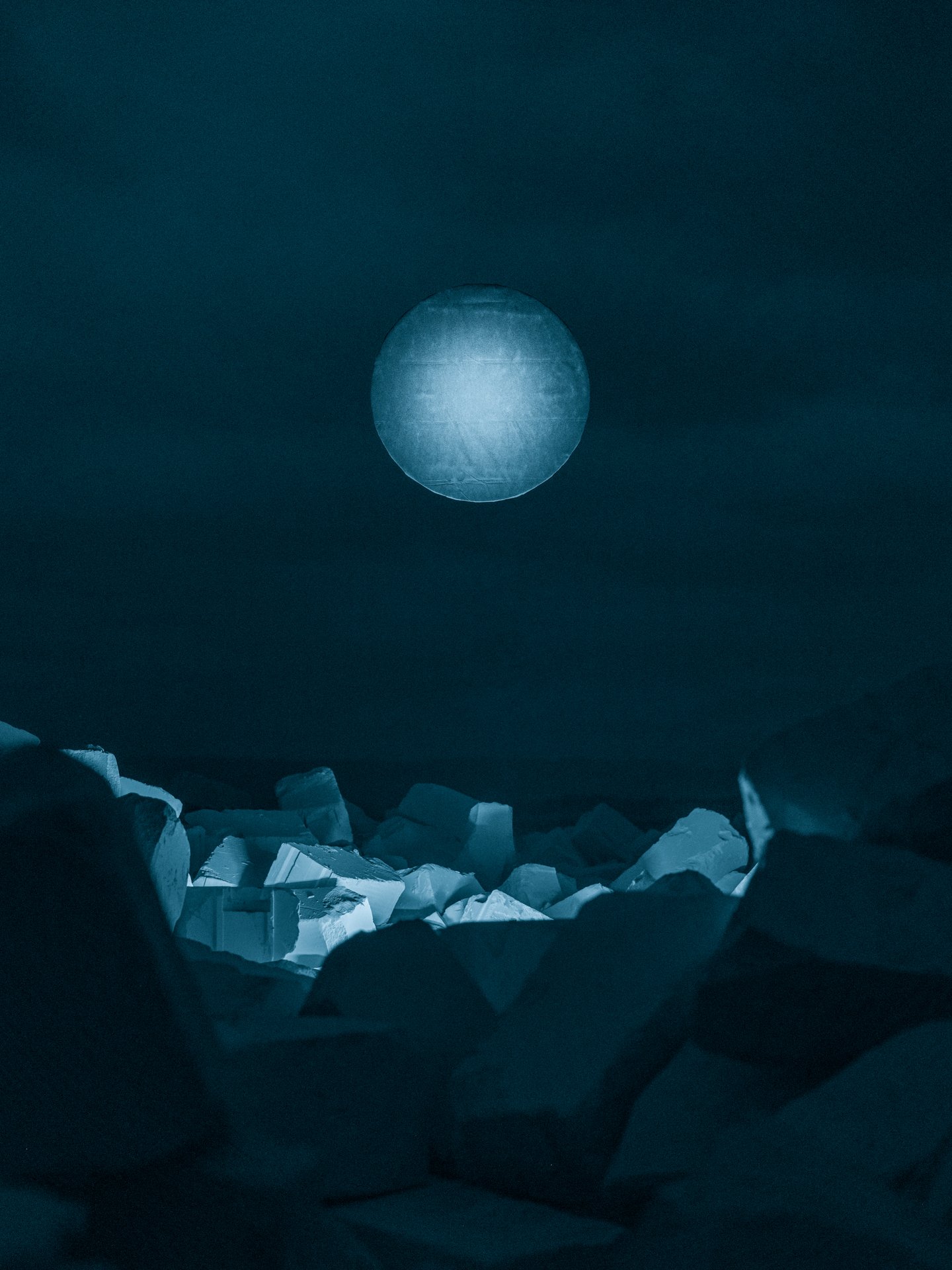
The full moon, which so often disrupts sleep, transforms both the landscape and interior spaces into a strange threshold between reality and dream. Fragments of places, light trails, reflections, empty spaces, and subtle details emerge, acting as visual records of an elusive inner tension.
Ultimately, the series captures a moment in which the night offers no refuge, but becomes a realm where internal tension deepens even further.